Loading...
Serving Brea, CA and surrounding areas. (657) 478-7151
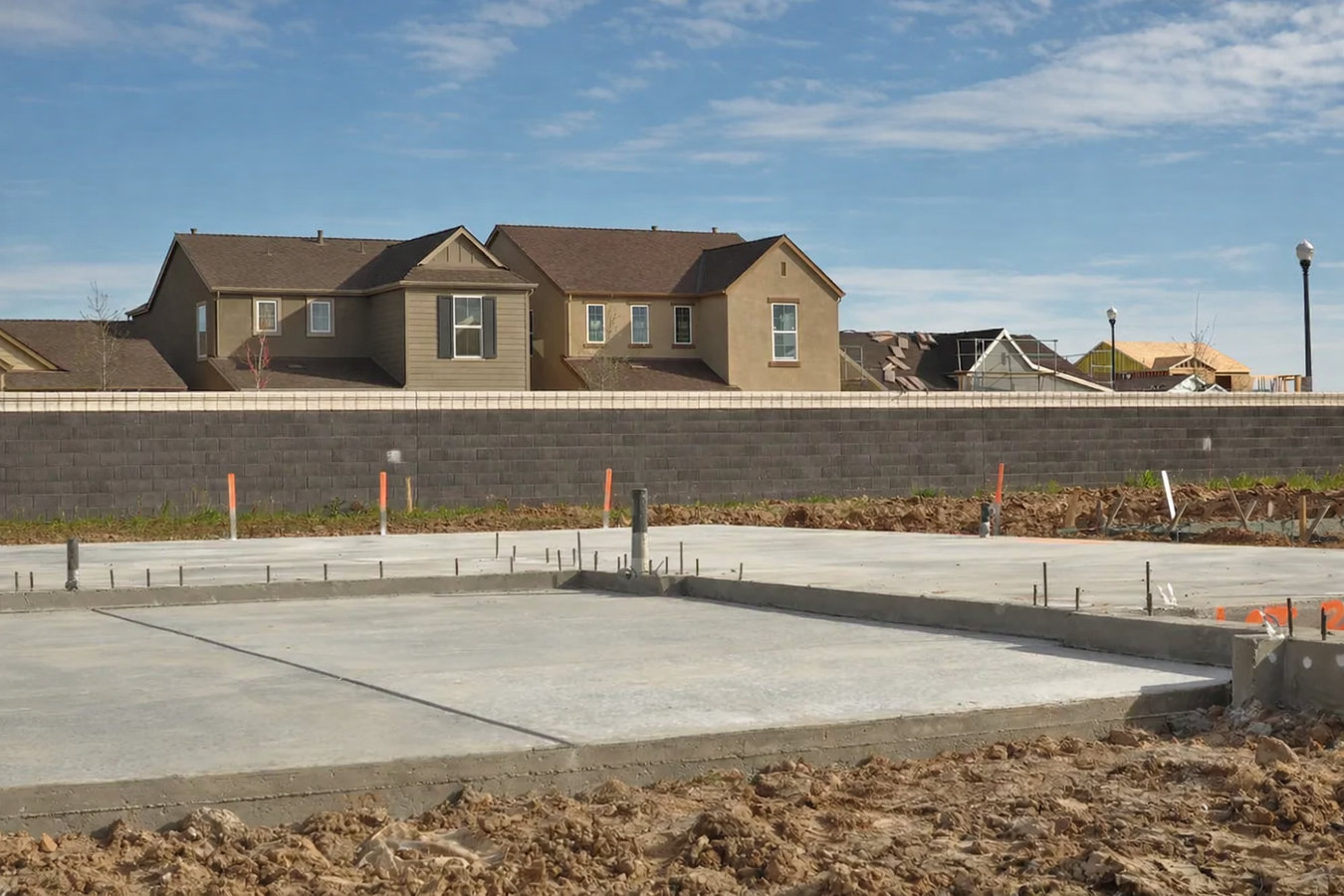
Your slab is the base for everything else. We handle site prep, steel placement, city permits, and inspections so your foundation is ready to build on.
Slab foundation building in Brea, CA starts with site prep, steel placement, and a properly permitted pour, and most residential jobs wrap up active work within three to seven days before the curing period begins.
Most homeowners in Brea are building a new structure - a home, an accessory dwelling unit, a garage, or a large addition - and need a solid base before anything else can happen. A slab sits directly on the ground, acts as both floor and structural support, and when it is built correctly, it lasts for decades without problems.
If you are also looking at foundation installation options, we cover both slab and other foundation types and can walk you through which approach fits your lot and project.
The most clear-cut sign is that you have a project - a new home, ADU, or garage - and nothing exists underneath it yet. In Brea, where ADU construction has grown in recent years, a new slab is often the very first call. Without a proper base, no framing, no finishes, and no permit will get approved.
Small hairline cracks in concrete are normal. But cracks wider than a quarter inch, diagonal cracks from door corners, or sections that feel noticeably higher or lower are warning signs. In Brea neighborhoods with clay-heavy soil near the Puente Hills, this kind of movement is more common because the ground shifts with seasonal wet and dry cycles.
When a slab settles unevenly, the frame of the house moves with it. If doors that used to swing freely now stick, or if you notice gaps forming at the tops or sides of window frames, the foundation may be shifting. This is worth having assessed before the problem becomes more costly to fix.
Damp spots on your concrete floor, moisture under area rugs, or a musty smell near floor level can mean the moisture barrier under your slab has failed. This is a known issue in older Brea homes built before current barrier standards were standard. A contractor can assess whether replacement or a surface treatment is the right path.
Our slab foundation work covers everything from raw ground to a finished, inspected slab ready for framing. That includes grading and soil compaction, moisture barrier installation, steel reinforcement placement, and the pour itself. We also handle all permit applications with the City of Brea Building Division and coordinate every required inspection - so you never have to chase down a city inspector yourself. For projects that involve underground plumbing or conduit, concrete footings are often part of the same scope and we can plan both together.
Every slab we build is designed for what is actually under your property. That means accounting for Brea's clay soils, seismic reinforcement requirements, and whether your lot is flat or sloped. We do not apply a one-size-fits-all approach. If your project also includes an attached structure or a separate outbuilding, our foundation installation service covers the broader foundation scope for those builds.
Suits homeowners building a new home, ADU, or large addition from the ground up.
Suits homeowners adding a detached garage, workshop, or accessory structure.
Suits homeowners converting a garage or room to habitable use where the existing slab does not meet current code.
Suits properties in north Brea near Carbon Canyon that require additional grading, retaining elements, or stepped footings.
Brea sits in the Puente Hills area of northern Orange County, where clay-heavy soils are common in many neighborhoods. These soils expand when wet and shrink during Brea's dry summers - a cycle that puts ongoing pressure on any concrete slab that was not designed with that movement in mind. That is why a site assessment before the pour is not optional here; it directly shapes the slab thickness, reinforcement spec, and footing depth your project needs. The City of Brea Building Division requires permits and independent inspections at key stages, which works in your favor as a homeowner - it means the work is checked by someone other than the contractor before it is covered up. Homeowners in communities like Yorba Linda face similar soil and seismic conditions, and we serve both cities regularly.
Brea's summer temperatures regularly push past 90 degrees, which creates a specific challenge for fresh concrete. Concrete that dries too fast on the surface before the interior has cured becomes weaker and more prone to cracking - a problem that is invisible until years later. An experienced contractor working in this area knows to schedule pours for early morning during the warm months, use warm-weather concrete mix formulations, and keep the slab moist through the early curing days. We also serve homeowners in Placentia, where similar clay soil conditions affect foundation design decisions.
We respond to all new inquiries within one business day. Slab pricing depends too much on your specific lot to quote accurately by phone, so we schedule a free on-site visit - typically 30 to 60 minutes - before we give you a written number.
Once you approve the written estimate, we apply for the required City of Brea building permit before any work begins. Permit review typically takes one to two weeks - we handle all the paperwork and keep you updated on status so you are never left guessing.
After the permit is approved, we grade the ground, compact the soil, lay the gravel base and moisture barrier, install any required underground plumbing or conduit, and place the steel reinforcement. A city inspector checks everything is in order before the pour is scheduled.
On pour day, the concrete arrives by truck and the slab is placed, leveled, and finished in a single session. We manage the curing process for the days following and schedule the final city inspection. Once the inspector signs off, we give you all permit records and the slab is ready for the next phase of construction.
Free on-site estimate. No commitment until you approve the written quote.
(657) 478-7151We assess every site before we design anything - accounting for the clay soils common in Puente Hills-area neighborhoods and the seasonal movement that goes with them. A slab built for what is actually under your property lasts decades longer than one built to a generic template.
We apply for the City of Brea building permit, coordinate every required inspection, and hand you the signed paperwork when the job is done. You never have to chase a city inspector or wonder whether the work was done to code.
Brea's summer heat is hard on fresh concrete, and a contractor who does not plan for it can leave you with a slab that looks fine but is weaker than it should be. We schedule pours for early morning in warm months and use mix formulations designed for high-temperature conditions. The American Concrete Institute publishes the standards that govern hot-weather concrete placement, and we follow them on every pour.
All of Orange County is in a high seismic hazard zone, and Brea's building code requires specific reinforcement and footing depths in every residential slab. We include that reinforcement as a baseline - not an upgrade - so your foundation meets the city inspector's expectations on the first visit.
Every one of these practices reflects work done in Brea's specific conditions - not transferred from a template built for a different market. When the city inspector shows up, the goal is a clean approval, not a reinspection.
Full foundation installation for new builds and additions, including raised and perimeter foundation options beyond slab work.
Learn MoreStandalone footing work for structures, fences, and load-bearing columns that sit alongside or beneath your slab.
Learn MorePermit season fills up fast in spring - contact us now to hold your start date before the calendar closes.